
Did You Need an American High School Certificate to Study in the U.S. in the 1970s? Understanding U.S. University Admissions and the Tinubu Education Debate
Did You Need an American High School Certificate to Study in the U.S. in the 1970s? Understanding U.S. University Admissions and the Tinubu Education Debate
By ProlificX Premium Network
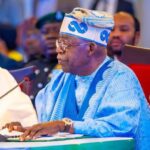
Few issues have generated as much public debate in Nigeria’s political history as President Bola Ahmed Tinubu’s educational background. Questions about his academic records have resurfaced at different times, especially during election cycles. However, beyond the political arguments lies a broader educational question that deserves careful examination:
Did foreign students seeking admission into American universities in the 1970s have to possess U.S. elementary and high school certificates before they could be admitted?
Understanding how the American education system worked during that period helps separate educational policy from political rhetoric.
The Structure of the U.S. Education System
The United States generally divides formal education into three stages:
Elementary School (approximately Grades 1–6) Middle or Junior High School (depending on the state) High School (typically Grades 9–12) College or University
American citizens usually progress through these stages within the U.S. education system. Foreign students, however, have historically followed a different route.
How Foreign Students Entered U.S. Universities in the 1970s
Even in the 1970s, American universities admitted thousands of international students from Africa, Asia, Europe, and Latin America.
For these applicants, universities generally evaluated the highest level of education completed in their home country, rather than requiring them to repeat American elementary or high school education.
A Nigerian student who had completed secondary education in Nigeria, for example, could apply to an American university using Nigerian academic qualifications if the institution considered them equivalent to U.S. admission standards.
In most cases, universities requested documentation such as:
Secondary school certificates or equivalent qualifications. Academic transcripts. Proof of identity. Evidence of English-language proficiency where required. Financial documentation demonstrating the ability to pay tuition and living expenses. Student visa documentation after admission.
Admission requirements varied from one university to another, as they do today.
Was a U.S. Elementary or High School Certificate Mandatory?
Generally, no.
American universities did not require international applicants to first obtain U.S. elementary or high school certificates simply because they were foreigners.
Instead, admissions offices assessed whether the applicant’s previous education in their home country met the university’s entry requirements.
This remains a common practice in international higher education today, where universities evaluate foreign credentials for equivalency rather than insisting applicants repeat earlier stages of schooling.
Why This Matters in Nigeria’s Political Debate
President Bola Ahmed Tinubu’s educational records have been the subject of public discussion for many years. Questions have centred on aspects of his academic history, including records relating to his early education and his degree from Chicago State University.
These discussions have intensified whenever nomination documents or educational credentials have entered the public domain.
However, it is important to distinguish between legal, political, and educational questions.
From an educational perspective, the absence of American elementary or high school certificates does not, by itself, establish whether someone could or could not have been admitted to a U.S. university in the 1970s. Many international students were admitted on the basis of recognised qualifications obtained in their own countries or through other accepted educational pathways.
Whether any individual satisfied a university’s admission requirements depends on the records reviewed by that institution at the time.
Educational Policy vs Political Debate
Public debate often mixes educational procedures with political arguments. Yet these are separate issues.
Universities determine admission according to their academic policies, while electoral matters are governed by constitutional provisions and electoral laws.
Understanding this distinction is essential for informed public discourse.
The Importance of Public Education
As Nigerians continue to discuss the educational backgrounds of political leaders, experts say the conversation should also serve as an opportunity to educate the public about how international education systems operate.
An informed debate is one based on verified facts, historical context, and an understanding of university admission practices rather than assumptions.
Ultimately, knowledge of educational policy can help citizens engage more critically with public issues while promoting transparency, accountability, and respect for factual information.
Can Chicago State University admit a foreign student without elementary and secondary school certificates?
Yes, it is possible, but the answer requires an important distinction between admission policy and what documents were actually submitted in a particular case.
Chicago State University, like other accredited U.S. universities, has historically admitted international students based on whether they met its admission requirements. Those requirements did not necessarily require applicants to have attended an American elementary school or American high school.
For international applicants in the 1970s, universities typically accepted educational qualifications from the applicant’s home country or other recognized institutions, provided the university determined they were equivalent to the required level for admission.
Generally, an international applicant would be expected to provide documentation such as:
A completed application. Academic records showing completion of secondary education or another qualifying educational pathway recognized by the university. Evidence of previous academic achievement, depending on whether the student was applying as a freshman or transfer student. Immigration and visa documentation after admission. Financial documentation where required.
Therefore, not having U.S. elementary school records or a U.S. high school diploma does not automatically mean someone could not be admitted. American universities have long admitted students educated outside the United States.
However, that is different from saying that a university admitted someone without any evidence of prior education. Accredited universities generally require applicants to demonstrate that they satisfy the institution’s academic admission standards, even if the documents come from another country or another educational route.
How this relates to President Bola Ahmed Tinubu
President Tinubu’s educational history has been the subject of political debate and legal proceedings. One point that often causes confusion is the absence of American elementary or high school records.
From an educational policy perspective alone:
The absence of U.S. elementary or high school certificates would not by itself prevent an international student from being admitted to Chicago State University. Whether a particular applicant met Chicago State University’s admission requirements depends on the records the university reviewed when making its admission decision. Unless Chicago State University itself states that it admitted a student contrary to its admission policies, it would not be accurate to conclude that the admission was improper solely because U.S. elementary or high school records are unavailable.
In other words, the key question is not whether the applicant attended an American elementary or high school, but whether the university determined that the applicant’s educational credentials satisfied its admission requirements at the time.
This distinction is important when discussing the issue in the context of Nigerian politics. Educational admission policies answer one question, while political and legal debates about a specific candidate’s records are separate matters.
Published by: ProlificX Premium Network
Yinusa Olamilekan Felix
 Reno Omokri: Tinubu Has Demonstrated Unprecedented Support for Nigeria’s Catholic Community
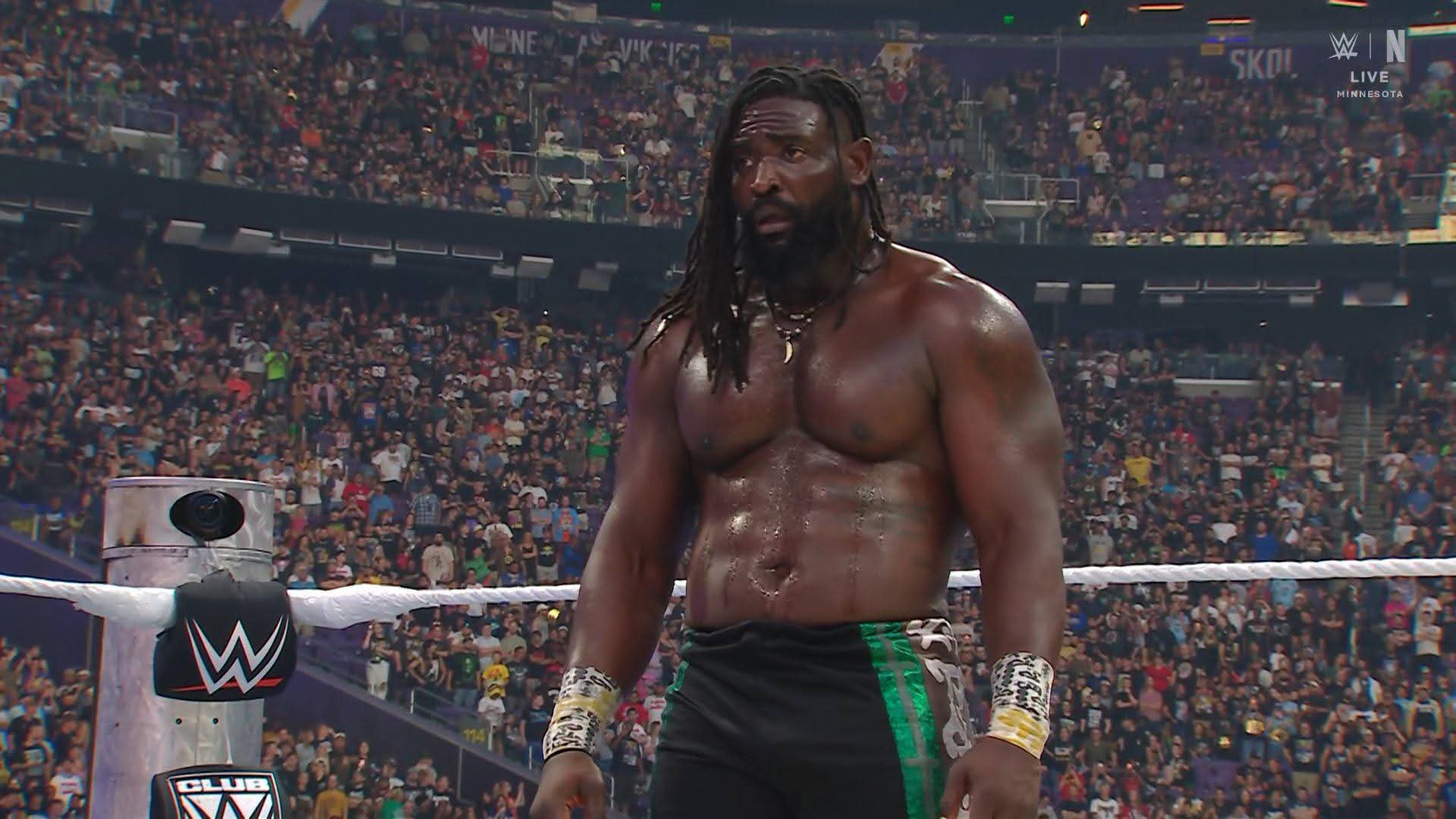
 Oba Femi Conquers Brock Lesnar in Epic Hell in a Cell War at SummerSlam 2026

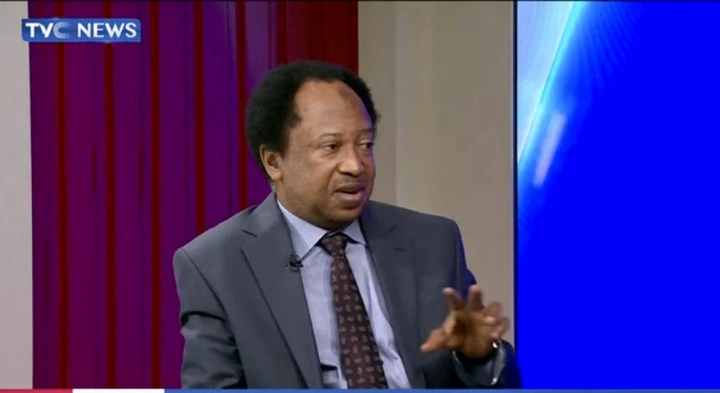
 Shehu Sani Weighs In on Obasanjo–Atiku Feud, Says Political Rivalry Has Lasted Two Decades
 AKOKO NORTH WEST YOUTHS DECLARE TOTAL SUPPORT FOR THE CONTINUITY OF THE RENEWED HOPE AGENDA
 2027: Timi Frank Urges Tinubu to Heed Catholic Bishops’ Warning or Risk Electoral Setback
 FG Urges Nigerian Students to Master AI, Coding and Robotics, Says Digital Skills Are the Future
 INEC Unveils Final 2027 Candidates’ List as Jonathan, Nwoko, Goje and Other Political Heavyweights Miss Out
 NEW WEEK MESSAGE OF HOPE AND PROGRESS