 Below is an original, copyright-safe rewrite based on the information visible in the screenshots, without copying the source text.
Cooking Gas Prices Decline in Abuja, Nearby Areas as LPG Supply Improves
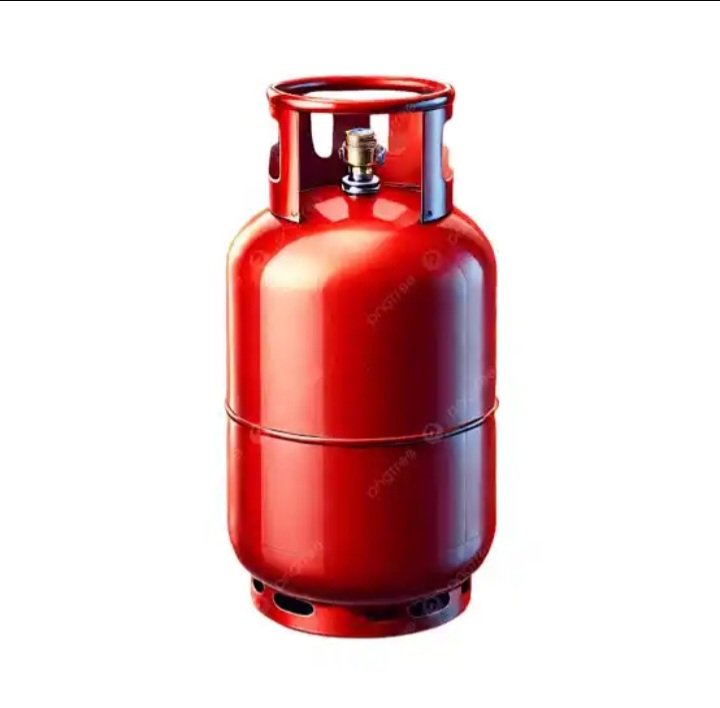
The cost of Liquefied Petroleum Gas (LPG), commonly known as cooking gas, has fallen in parts of the Federal Capital Territory (FCT) and neighbouring communities in recent weeks, providing some relief to households and businesses.
Market checks indicate that some filling stations in Abuja now sell cooking gas for as low as ₦1,300 per kilogram, compared with previous prices that ranged between ₦1,450 and ₦1,500 per kilogram just a few weeks ago.
Price variations still exist across retail outlets. Some major marketers are dispensing LPG within a range of ₦1,300 to ₦1,400 per kilogram, depending on location and company pricing.
The downward trend is also noticeable at the wholesale level. Depot operators are reportedly selling LPG at prices below recent highs, with wholesale rates now hovering between ₦997 and ₦1,030 per kilogram, down from around ₦1,100 per kilogram recorded earlier.
Across several districts of the FCT, including Dawaki, Kubwa, Gwarinpa, and Lugbe, retailers have adjusted their prices downward. While many stations in these areas still sell around ₦1,500 per kilogram, this represents a significant reduction from the approximately ₦1,700 per kilogram consumers previously paid.
Industry observers attribute the recent price decline largely to improved product availability. Recent industry data suggests that LPG imports increased substantially, leading to better supply and easing pressure on prices throughout the distribution chain.
Consumers have welcomed the reduction, expressing hope that the trend will continue and translate into lower household energy costs across the country. However, experts note that future prices will continue to depend on factors such as foreign exchange rates, global LPG prices, transportation costs, and the consistency of domestic supply.
Published by: ProlificX Premium Network

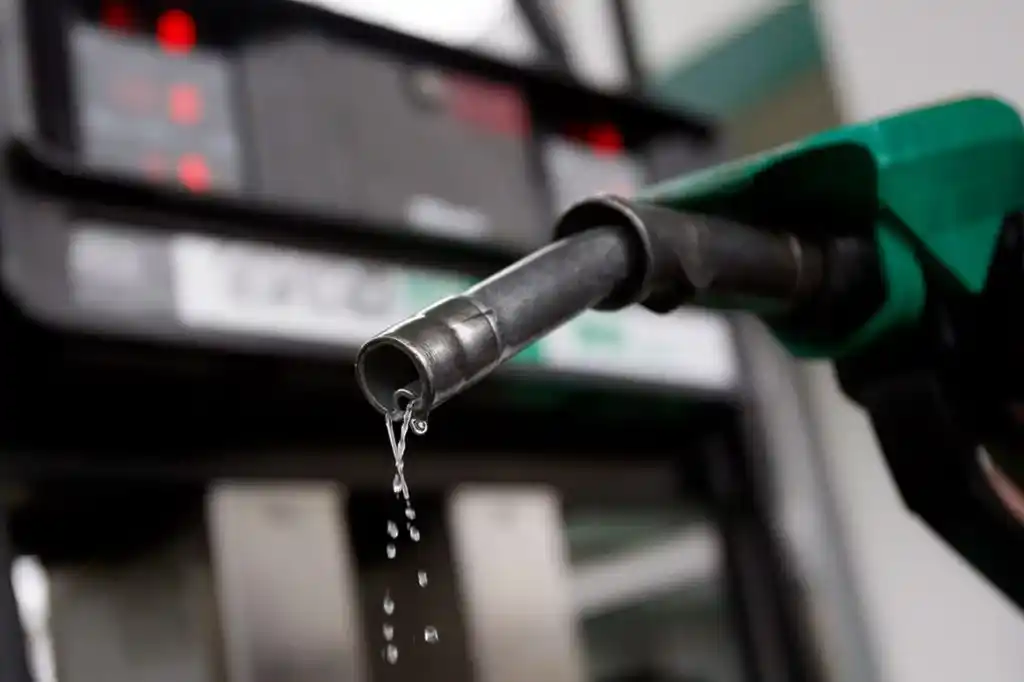
 Petrol Prices Fall Again as Major Filling Stations Cut Pump Rates Across Nigeria