
Oil & Gas
 Petrol Prices Fall Again as Major Filling Stations Cut Pump Rates Across Nigeria
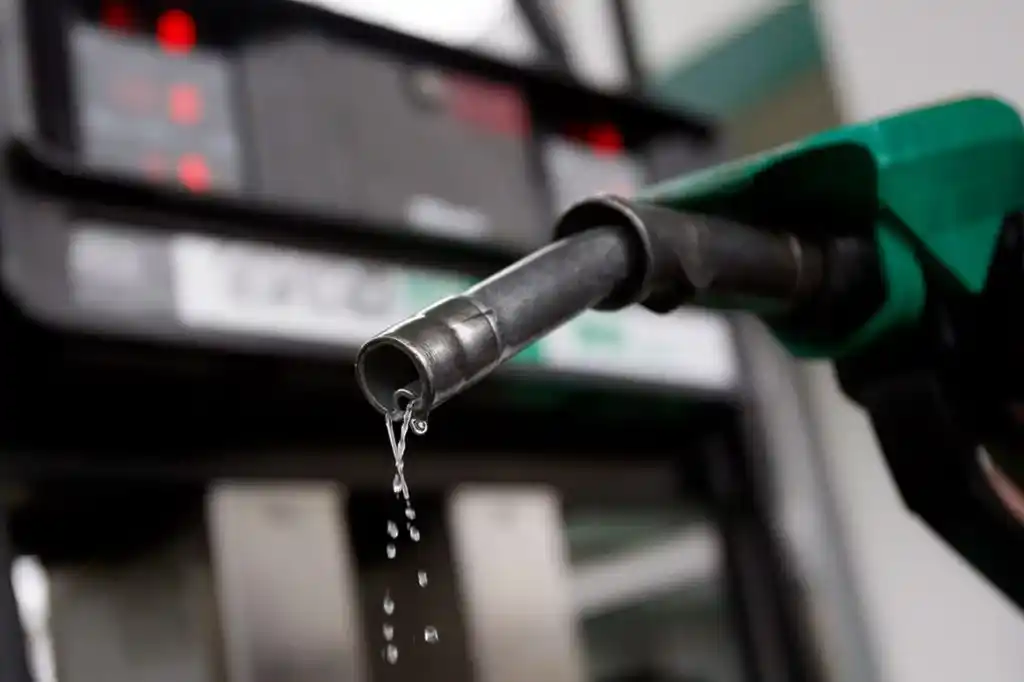
Motorists across parts of Nigeria are beginning to experience relief at the pumps following fresh reductions in petrol prices by several filling stations, including outlets supplied by Dangote Refinery.
A market survey indicates that MRS filling stations in Abuja have lowered their pump price to ₦1,265 per litre, representing a ₦40 reduction from the previous price of ₦1,305 per litre. The new price has already taken effect at outlets in areas such as Kubwa and along the Lugbe Expressway.
Other marketers have also adjusted their prices. AA Rano filling stations reportedly reduced their pump price by ₦30 per litre, bringing the retail price down to ₦1,300 per litre from ₦1,330 per litre.
The latest adjustments come after a period of rising fuel prices driven by fluctuations in the international crude oil market. Industry observers believe the renewed competition among marketers and improved product availability are beginning to ease pressure on retail prices.
The development also follows Dangote Refinery’s recent move to expand petrol distribution across several states, including the Federal Capital Territory (FCT). The refinery has continued to supply products at competitive rates, a move many analysts believe is encouraging marketers to review their pump prices.
At the wholesale level, depot prices have remained relatively stable, with reports indicating that petrol is currently sold at around ₦1,217 to ₦1,222 per litre at several major depots. These wholesale prices are expected to influence retail pricing as marketers adjust to changing market conditions.
Industry stakeholders say the current trend could benefit consumers if supply remains steady and international crude oil prices do not witness another sharp increase. However, they also note that exchange rate movements, logistics costs, and global oil market dynamics will continue to play a major role in determining future pump prices.
For many Nigerians, the latest price reductions offer a measure of relief amid the high cost of transportation and the broader cost-of-living challenges affecting households and businesses.
Published by: ProlificX Premium Network
Share post